Latest Roof Lanterns: A Wonderful Harmony of Beauty and Operational Value
Modern roof lanterns operate as an impressive combination of aesthetic charm and practical advantage. They boost natural illumination in home interiors while also enhancing fuel efficiency. Given multiple styles and materials in stock, homeowners can identify solutions that align with their personal tastes and requirements. Nevertheless, the selection phase can be intricate. Learning how to pick and position the appropriate lantern can deliver a considerable change in both aesthetic quality and function.
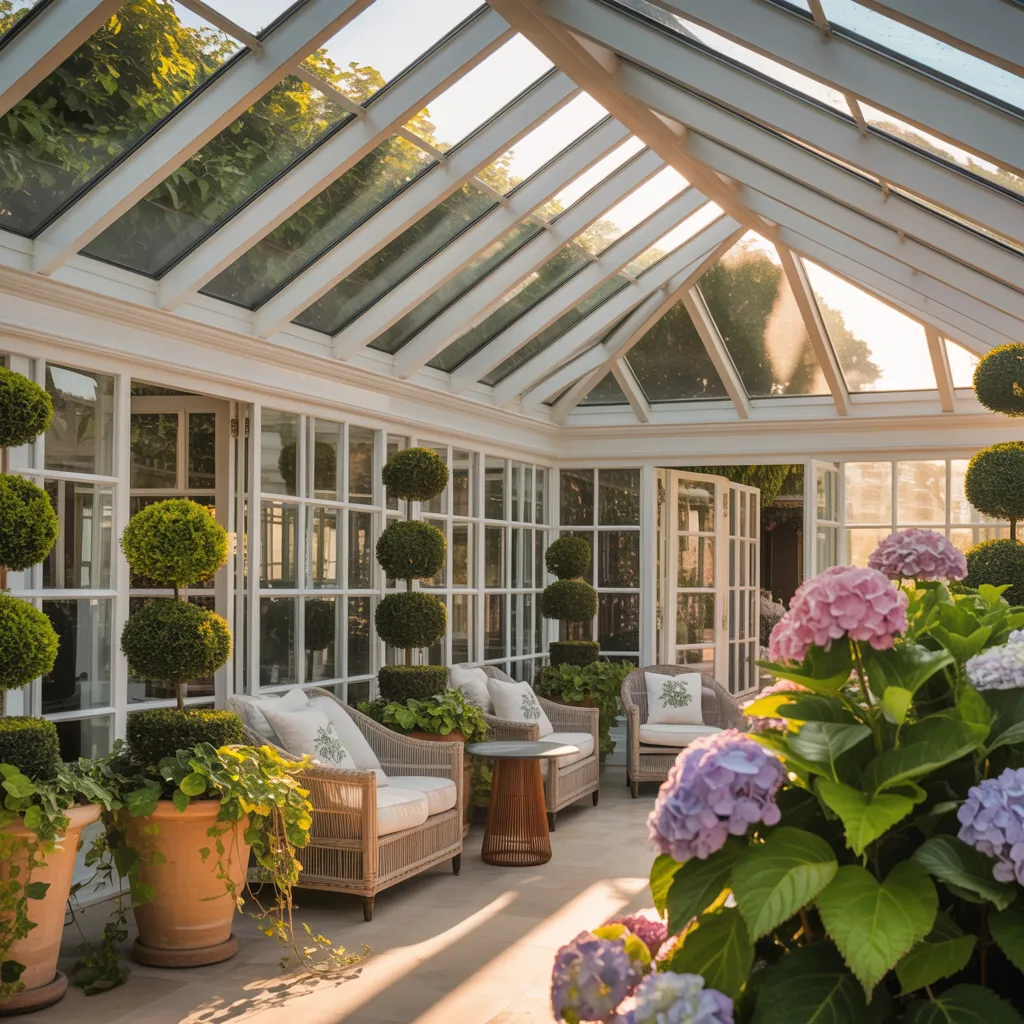
The Ways Roof Lanterns Light Up Your Space and Cut Energy Costs
Countless property owners are realizing how roof lanterns can greatly enhance natural light in their areas while furthering energy efficiency. These design solutions allow sunlight to penetrate deeper into interiors, minimizing dependence on artificial lighting during the day. As a result, homes become brighter and more inviting, producing a warm atmosphere for household events and daily activities.
Additionally, roof lanterns can considerably aid energy conservation. By harnessing daylight, they lower electricity bills and lessen the carbon footprint. Enhanced daylight also supports regulating indoor temperatures, reducing the need for heating and cooling systems.
The deliberate placement of roof lanterns can maximize light flow, delivering consistent light throughout the room. With multiple designs available, homeowners can effortlessly incorporate these features into their existing architecture, facilitating a balanced fusion of aesthetics and functionality. Ultimately, roof lanterns function as a environmentally responsible option for modern living spaces.
Picking the Appropriate Look for Your Home
Selecting the right type of roof lantern is essential for enhancing a home's appearance. Compatibility with the architectural style and thoughtful evaluation of material and finish options can greatly impact the overall appearance and atmosphere. Well-considered decisions in these areas ensure that the roof lantern enhances the existing design while providing practical advantages.
Architectural Form Coherence
Choosing the ideal architectural style for a roof lantern can greatly boost the overall aesthetic of a home. Compatibility with existing architectural elements is crucial; for instance, a minimalist lantern matches contemporary designs, while ornate styles blend well with traditional homes. Victorian or Edwardian properties gain from decorative lanterns that showcase their historical details, creating a cohesive look. Conversely, a sleek, angular roof lantern fits modern builds, underscoring clean lines and open spaces. Bungalows or craftsman-style homes may favor lanterns that incorporate natural materials and simpler forms, matching their earthy charm. Ultimately, selecting a roof lantern that complements the home's overall style not only elevates its appearance but also reinforces architectural coherence and character.
Material and Finish Possibilities
While exploring material and finish options for roof lanterns, homeowners must think about how these decisions affect both aesthetics and functionality. Typical options consist of aluminum, timber, and uPVC, each offering unique benefits. Aluminum is lightweight and resistant to corrosion, rendering it a durable option for contemporary aesthetics. Timber, while beautiful and inviting, requires consistent upkeep to maintain its appearance. uPVC offers a cost-effective alternative, offering low maintenance without compromising on style.
Finish options, such as powder application or anodic oxidation for aluminum, improve durability and allow for multiple color choices. Wood treatments can range from natural tinting to painted surfaces, providing flexibility. Ultimately, selecting the right material and coating not only improves the roof lantern's visual appeal but also ensures durability and functionality in any home setting.
Key Recommendations for Mounting Your Roof Lantern
Installing a roof lantern can revolutionize a space, flooding it with daylight and enhancing its overall appearance. To guarantee a successful installation, thorough preparation is essential. First, assess the structural soundness of the roof to bear the lantern's weight. Next, choose the suitable size and style that complements the existing architecture.
Assemble all necessary tools and materials before installation. Proper sealing proves essential to prevent leaks; apply premium silicone or flashing tape around the edges. It is advisable to work with a partner, as managing large panels can be unwieldy. Additionally, ensure that the lantern is correctly positioned with the roof's pitch to promote drainage.

Lastly, assess the location of electrical conduit if including lighting. Following these tips will create a well-installed roof lantern that boosts both light and style, producing a welcoming atmosphere in any space.
Maintaining Your Roof Lanterns: Tips for Long-Lasting Performance
Maintaining roof lanterns is important for securing their long life and optimal performance. Routine cleaning is essential; dust and debris can block light and alter appearance. Homeowners should use a non-abrasive cloth and a mild detergent to avoid scratching the surface. Inspecting seals and joints periodically helps stop leaks that could cause interior damage. If any deterioration is detected, timely repairs can prevent expensive replacements later on.
Moreover, guaranteeing proper drainage around the lantern avoids water accumulation, which can cause structural damage. During changing seasons, inspecting for any loose fittings or structural soundness is beneficial. It's also recommended to cut back surrounding foliage to minimize debris buildup. Finally, thinking about expert upkeep every few years can provide a thorough inspection and maintenance that guarantees the roof lantern remains a practical and attractive feature of the home for years to come.
Encouraging Transformations With Roof Lanterns
What ways can ceiling skylights change a space into a magnificent focal point? These design elements boost both visual appeal and functionality, allowing natural light to fill interiors while creating a sense of openness. By introducing a skylight window, homeowners can significantly improve the atmosphere of living areas, kitchens, or even hallways.
The contemporary styles offered now cater to various architectural styles, from clean modern aesthetics to elaborate classical designs. This versatility means roof lanterns can seamlessly integrate into any home, showcasing personal style while increasing property worth.
Beyond their attractive appearance, roof lanterns deliver practical benefits. They improve ventilation and minimize dependence on artificial lighting, supporting an eco-friendly living environment.
In the end, the careful positioning of a roof lantern can prompt conversions that translate mundane areas into outstanding settings, making them not just efficient, but also enchanting places where families can come together and build precious memories.
Typical Missteps to Prevent When Deciding On Roof Lanterns
Picking the ideal roof lantern can substantially influence the overall success of the makeover driven by these structural elements. A frequent mistake is disregarding size; an oversized lantern can overwhelm a space, while one that is insufficient may fail to provide proper light. Additionally, many disregard the value of materials. Choosing substandard materials can cause issues with strength and power consumption.
An frequent mistake is disregarding the style of the current architectural design. A roof lantern that clashes with the property's aesthetic can affect design harmony. Moreover, not taking into account the orientation and position can produce insufficient daylight at various times. To conclude, not consulting professionals or relying solely on self-installation can create faulty installation, compromising both visual quality and utility. By avoiding these pitfalls, homeowners can guarantee their roof lanterns enhance their living spaces effectively.
Common Inquiries Asked Often
Are Roof Lanterns Compatible with Flat Roofs?
Roof lanterns are absolutely ideal for level roof surfaces. They supply natural light and ventilation, boosting the aesthetics of the space while preserving effective drainage and structural soundness, making them a efficient choice for such designs.
What Elements Do Roof Lanterns Typically Consist Of?
Roof lanterns are usually made from materials like aluminum, uPVC, and glass. These picks ensure strength, energy performance, and visual appeal, enabling a blend of modern design and practical use in various architectural settings.
Do Roof Lanterns Work in Low Temperature Areas?
Yes, roof skylights can be installed in cold climates. Adequate thermal protection and premium construction materials ensure thermal performance and durability, enabling them to endure harsh weather conditions while delivering natural light and aesthetic appeal.
In What Ways Do Roof Lanterns Influence Your Home's Resale Value?
Roof lanterns typically enhance home selling price by improving natural light and visual attractiveness. Prospective purchasers often value the extra architectural interest, making properties with such features more desirable in competitive property markets.
Are there energy-saving options offered for roof lanterns?
Certainly, energy-saving choices are offered for roof lanterns. Numerous producers supply models featuring dual or triple-pane glass and low-emissivity coatings, which minimize heat loss and enhance overall thermal read the facts efficiency in homes.